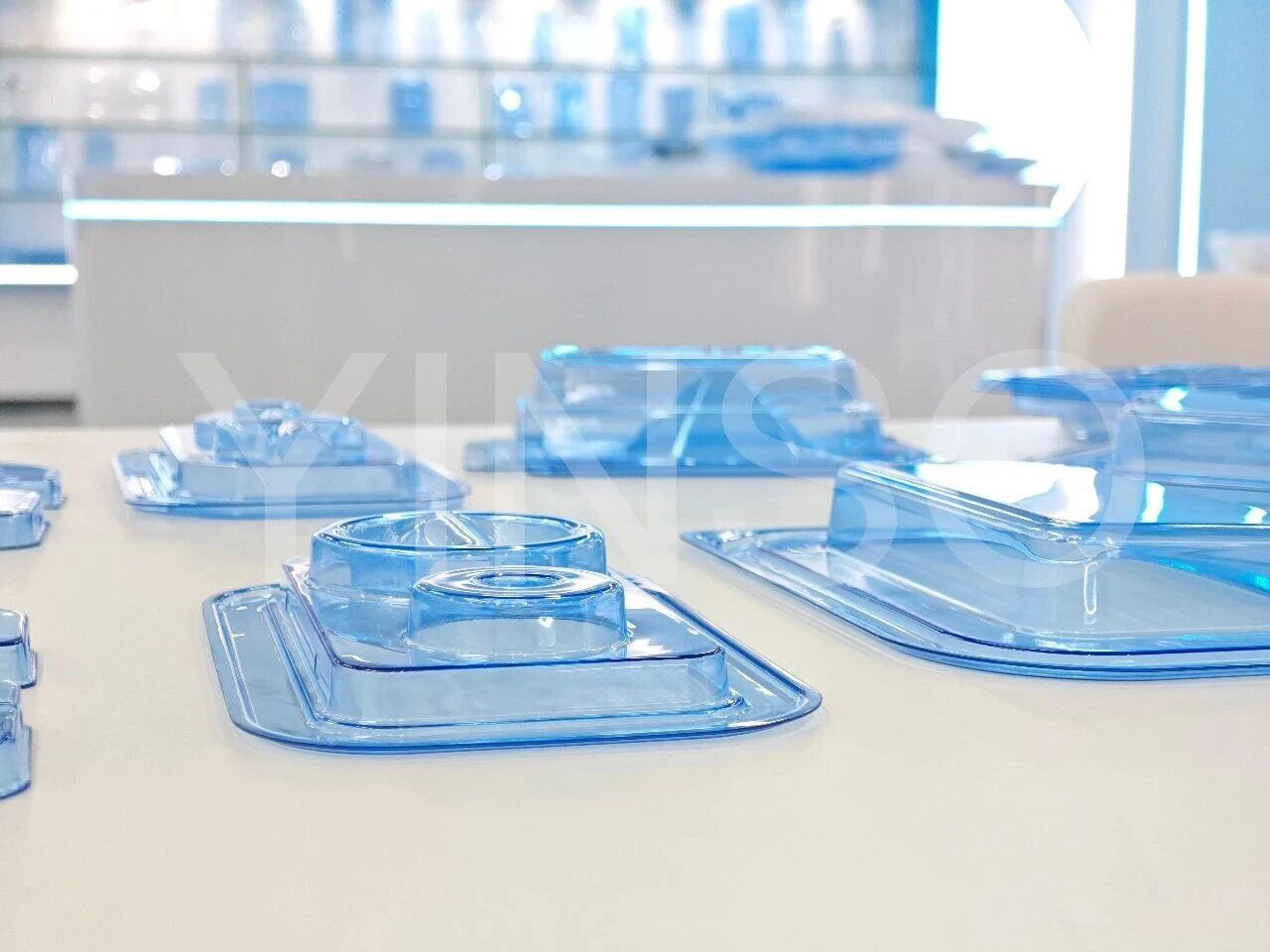
Packaging is not just an "outer covering" — it is the lifeline of sterility assurance. The design and development of sterile medical device packaging is a systematic engineering process. Among all steps, material selection is arguably the most critical. Choose the right material, and product sterility is well-founded; choose wrong, and all subsequent validation efforts may be in vain.
So, how do we scientifically and comprehensively evaluate materials for sterile medical device packaging? Considering the actual characteristics of the intended inner contents, the following 12 core evaluation dimensions serve as a practical reference for every professional in the field.
01 Microbial Barrier Capability — The Most Basic, Yet the Most Critical
The primary mission of sterile medical device packaging is to block microorganisms. Once the barrier fails, product sterility cannot be guaranteed — and this is the most serious non-conformance event for medical devices.
Evaluation methods vary by material type:
Impermeable materials: Gurley method or Schopper method may be used to evaluate air permeability resistance.
Permeable materials: Microbial barrier testing can be performed per YY/T 0681.10 or ISO 11607-1, or by referencing 0.45 μm pore size determination (internationally recognized as the maximum reference pore size for microbial filtration).
02 Biocompatibility and Toxicology — Direct Contact Requires Compliance
If packaging materials come into direct or indirect contact with the device, they must meet biocompatibility requirements. It is recommended to follow GB/T 16886.1, performing biological evaluation items for surface‑contacting devices.
Special note: Before biological evaluation, materials should be subjected to the same or more stringent sterilization processes as the final product. If the packaging contains liquids, a specific evaluation of leachables from the material is also required.
03 Physical and Chemical Properties — Foundational Indicators Not to Be Overlooked
Physical properties: air permeability, tensile strength, thickness, tear resistance, particulate contamination, etc.
Chemical properties: leachables, odor, pH, chlorides, heavy metals, oxidizable substances, etc.
These indicators directly affect the strength, cleanliness, and stability of the packaging, making them key routine quality control parameters.
04 Adaptability to Forming and Sealing Processes — Secure Sealing Ensures Stability
Seal width, seal strength, integrity, and whether delamination or shredding occurs upon peeling must all be validated. The sealing process must be compatible with material characteristics; otherwise, "sealed but not secure" or "open with debris" both pose risks.
05 Adaptability to Intended Sterilization Processes — Both Ingress and Egress Matter
Packaging materials must, under the defined sterilization load configuration, provide adequate air and sterilant permeability to ensure full penetration of the sterilizing agent, while also allowing effective release of residual sterilant after sterilization.
Additionally, sterilization parameters (method, cycles, intensity, etc.) must not cause material properties to exceed specified limits. This validation is typically performed in conjunction with sterilization process qualification.
06 Storage Life Limits Before and After Sterilization — Maintaining Integrity Throughout Shelf Life
Packaging materials must not only "survive" sterilization but also maintain their mechanical and chemical properties throughout the shelf life, ensuring the integrity of the entire packaging system. This directly impacts the product's shelf life.
07 Toxic Substance Requirements — Safety Starts at the Source
Before, during, and after sterilization, neither the material itself nor any of its components should contain or release toxic substances capable of causing health hazards. This is both a regulatory bottom line and an ethical imperative.
08 Coated Material Requirements — Uniform Coating, Adequate Strength
If the packaging involves a coated layer, ensure that:
The coating is continuous without interruption;
The coating weight conforms to the nominal value;
The sealed seal meets the minimum seal strength specification.
09 No Adverse Effects on the Medical Device — Compatibility Cannot Be Assumed
Throughout the entire sterilization process and beyond, the material and its constituents (e.g., coatings, inks, chemical indicators) must not react with, contaminate, or migrate substances to the device that could adversely affect its performance. Material‑product compatibility must be verified through validation.
10 Easy and Clean Opening — Easy to Open, No Debris Generation
While protecting the product, sterile medical device packaging must also facilitate clinical opening and access. The seal strength at the opening point should be appropriate, and the design should minimize shredding or particle generation that could contaminate the operating environment or the device itself.
11 Adaptability to Label Printing — Printable, Legible, and Durable
Label inks must not penetrate, migrate, or chemically react with the packaging material. The printed label on the packaging should remain intact and legible until the device is used, ensuring traceability and identification.
12 Sensitivity to External Conditions — Withstand the "Winds and Rains" of Real-World Logistics
Based on the anticipated storage and transport environment, the sensitivity of packaging materials to temperature, humidity, light, oxygen, vibration, pressure, and other external factors must be evaluated. Only materials that withstand real-world distribution challenges can be considered truly reliable.
Conclusion
Selecting materials for sterile medical device packaging is far more than obtaining a "certificate of conformance." It requires systematic evaluation across multiple dimensions — microbial barrier, biocompatibility, physical and chemical properties, sterilization adaptability, shelf life, toxicology, coating quality, device compatibility, ease of opening, printing suitability, and environmental sensitivity.
Every dimension matters. A comprehensive approach to material selection ensures that sterile medical device packaging fulfills its essential role — protecting patient safety from the manufacturing floor to the point of care.
© YINSO Medical Packaging — Expertise in sterile medical device packaging material selection, validation, and regulatory compliance.
Contact Us
- E-mail:
info@yinsopack.com
- Tel:
+86 15014837000(Wechat/WhatsApp/Skype)
- Address:
NO.59 Meilin Road, Dalingshan Town, Dongguan City,Guangdong Province, China
- 7x24 hours On Iine Service