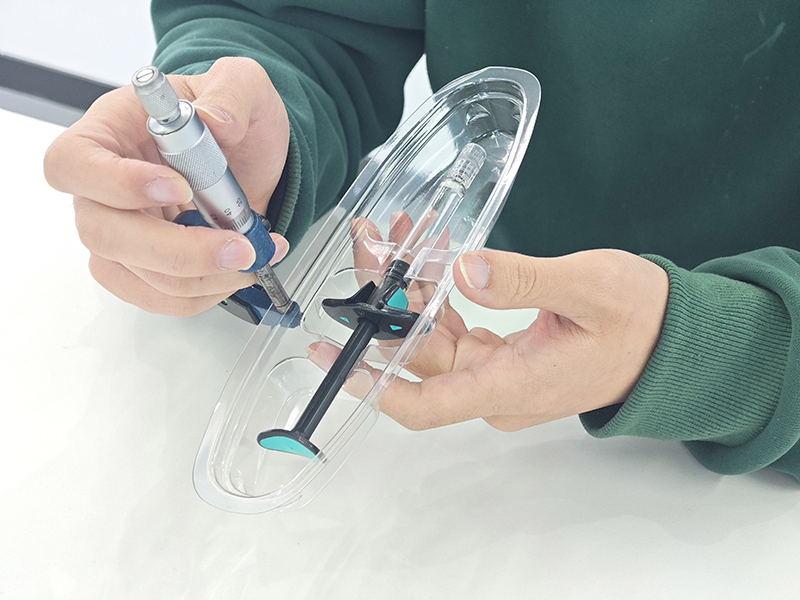
For medical device manufacturers, packaging is not just a container but the first line of defense in ensuring product safety. It must effectively protect the device throughout processing, storage, transportation, and distribution, preventing deformation, damage, or contamination. The design and material selection of packaging are directly related to the integrity and sterility of the device, especially for products with special structures (such as sharp edges, points, etc.) or fragile items.
So, how to systematically develop and design medical device packaging? The following six basic steps will help you progress steadily, ensuring compliance and safety:
【Step 1】Regulations First, Compliance Assured
Medical device packaging must strictly comply with regional regulatory requirements. It is recommended that companies first communicate with regulatory departments to confirm that the packaging design meets international or regional standards such as FDA, MDR, ISO, etc., to avoid subsequent rectification risks.
【Step 2】Define Requirements, Collaborative Planning
Packaging engineers need to collaborate with the project team to develop detailed packaging design requirement documents. The content should cover product dimensions, shape, special structures, transportation conditions, microbial barrier standards, etc., laying the foundation for subsequent design.
【Step 3】Build a Reliable Packaging System
The core of protective packaging is to maintain the sterility and physical integrity of the device. Especially when designing the sterile barrier system, it must be ensured that no damage or contamination occurs under expected environmental conditions, guaranteeing the final use safety of the product.
【Step 4】Standardize Labels, Complete Information
Medical device labels must meet the minimum requirements of relevant regulations. For example, the U.S. FDA 21 CFR Part 801 has detailed provisions in the general rules and special sections (such as parts A, C, D, etc.), which must be checked item by item to avoid omissions.
【Step 5】Simulation Testing, Verify Transportation Performance
As the complexity of devices increases, packaging needs to undergo rigorous distribution simulation testing. By simulating real logistics environments in laboratories and evaluating according to international standards (such as ASTM D4169, etc.), potential risks can be identified in advance.
【Step 6】Stability Testing, Confirm Expiry Date
The sterile barrier system must pass accelerated aging and real-time aging tests (refer to ISO 11607) to verify its seal integrity and material stability over a certain period. This is an important basis for supporting the product's expiry date and is widely recognized by global regulators.
In summary, the development of medical device packaging is a systematic and rigorous task. Every step, from regulatory consultation to stability verification, is crucial. Only by comprehensively considering product characteristics, transportation conditions, and regulatory requirements can safe, effective, and compliant medical packaging be designed.
Contact Us
- E-mail:
info@yinsopack.com
- Tel:
+86 15014837000(Wechat/WhatsApp/Skype)
- Address:
NO.59 Meilin Road, Dalingshan Town, Dongguan City,Guangdong Province, China
- 7x24 hours On Iine Service