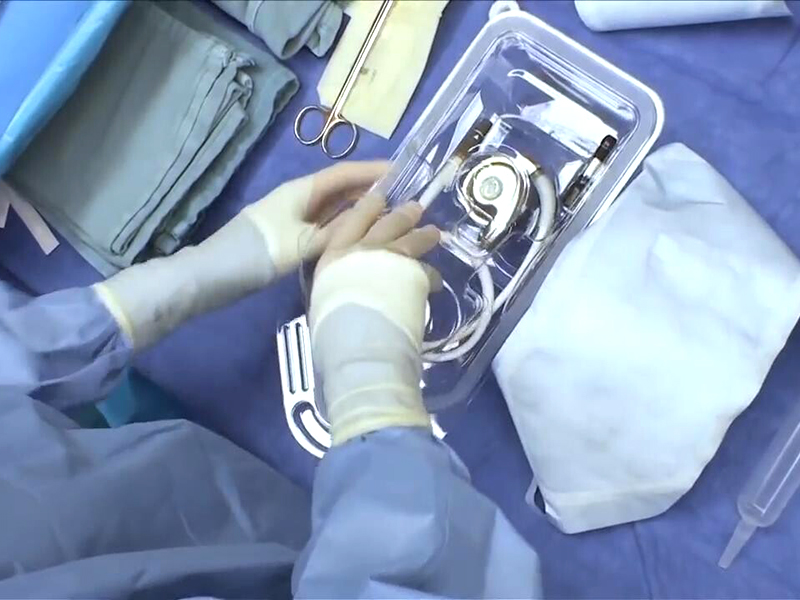
In the medical device industry, sterile packaging is often viewed simply as a container for storing and transporting devices, offering convenience for both shipping and use—which are indeed its basic functions. However, many overlook its other critical role: serving as a sterile environment carrier. This means it ensures that medical devices remain sterile until they reach the point of use.
Achieving this function relies on sterilization. Whether sterilization is effective and safe depends significantly on the compatibility of the packaging material with the intended sterilization process. Today, we will outline several essential points regarding sterilization compatibility that must be considered when selecting and using sterile packaging.
1. Sterilization Methods Must Comply with International or European Standards
Whether using ethylene oxide, steam, low-temperature formaldehyde, hydrogen peroxide plasma, or other sterilization methods, the equipment and processes should be designed, produced, and operated according to relevant international or European standards. Only standardized and regulated sterilization processes can ensure the scientific validity of sterilization verification, thereby guaranteeing that the final sterilization meets safety requirements.
2. Packaging Material Performance Must Remain Within Specified Limits
After undergoing the sterilization process, the key performance characteristics of the packaging material should not change significantly. Since comprehensively testing all performance indicators is impractical, the internationally accepted approach is to focus on two core metrics: microbial barrier performance and mechanical strength. These must remain within specified limits before and after sterilization.
3. Consider the Impact of Sterilization on Package Integrity
In addition to the material's inherent properties, it is essential to assess the potential effects of the sterilization process on the overall integrity of the package. For example:
- Whether seal strength maintains integrity;
- Whether the material's biocompatibility changes;
- If ethylene oxide sterilization is used, whether residue levels remain within safe limits.
4. Ability to Withstand Multiple Sterilization Cycles (Same or Different)
In practice, initial sterilization may fail, or packaging may undergo sterilization separately as both an individual unit and as part of an assembly. Therefore, sterile packaging should have sufficient durability to withstand multiple sterilization cycles (whether identical or different) without compromising its performance or safety.
5. Impact of Routine Material Supply Variations and Aging on Sterilization
Packaging materials may naturally change over time during long-term storage or across different supply batches. When evaluating sterilization compatibility, it is crucial to ensure these variations do not negatively affect sterilization efficacy. It is recommended to verify whether supplier reports include data on aging validation and sterilization compatibility.
6. Performance Limits Can Be Differentially Set for Multi-Layer Packaging
If a medical device uses multi-layer or nested packaging, different performance requirements can be established for each layer. For example, inner and outer layers of double-layer crepe paper packaging may use different thicknesses, balancing overall performance with cost-effectiveness and practicality.
Sterilization compatibility is a critical yet often underestimated aspect of sterile packaging systems. Only by comprehensively considering the above points during the design, material selection, and validation stages can we truly ensure that medical devices remain safe, sterile, and reliable at the point of use.
Contact Us
- E-mail:
info@yinsopack.com
- Tel:
+86 15014837000(Wechat/WhatsApp/Skype)
- Address:
NO.59 Meilin Road, Dalingshan Town, Dongguan City,Guangdong Province, China
- 7x24 hours On Iine Service